Common Sewing Machine Problems and How to Fix Them


Understanding Tension Issues
One of the most common problems faced by sewing enthusiasts is tension imbalance. When your machine's tension is off, it can lead to uneven stitches or thread breakage. To fix this, start by checking the upper thread tension. Adjust the dial in small increments and test on a scrap piece of fabric until you achieve balanced stitches. Additionally, inspect the bobbin tension by ensuring the bobbin is correctly placed and wound evenly.
Identifying Needle Problems
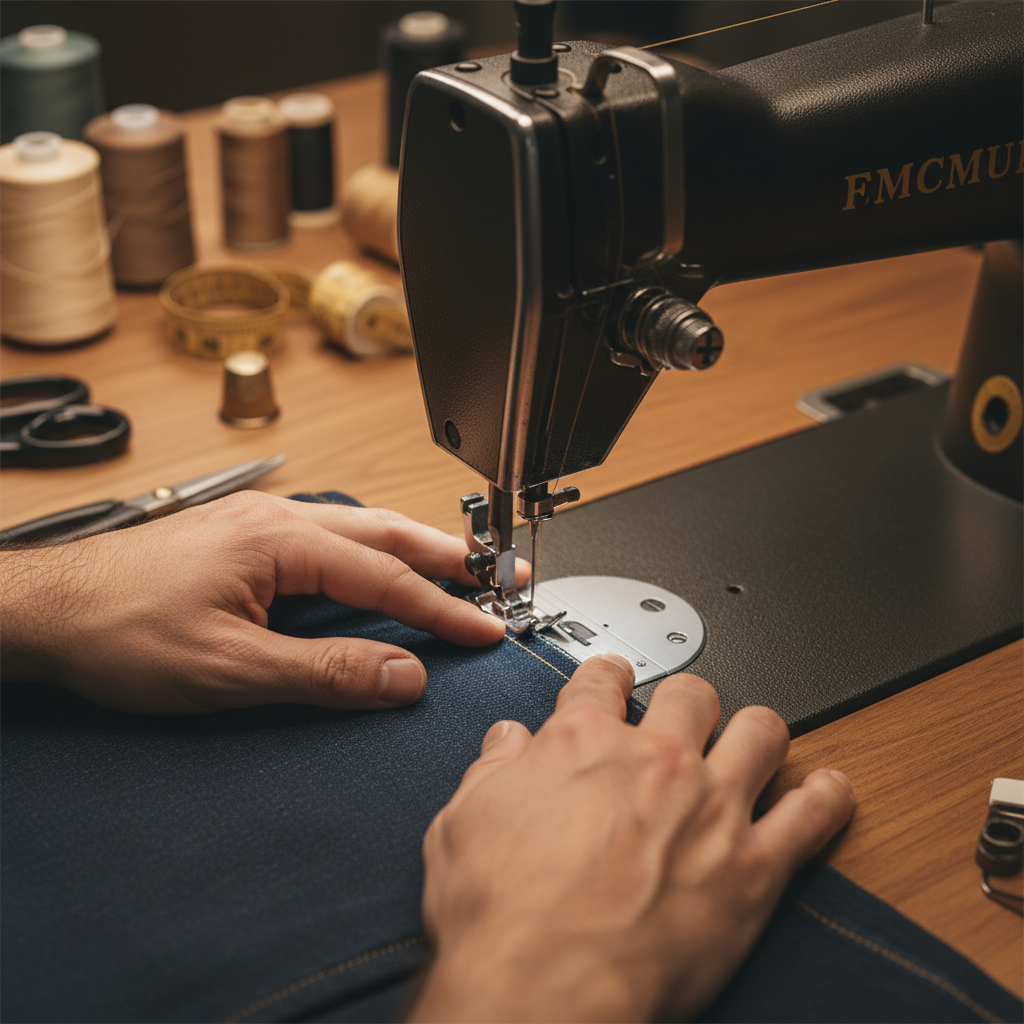
Needle issues are another frequent challenge. A bent or dull needle can cause skipped stitches or fabric damage. Always use the correct needle type and size for your fabric. Change the needle regularly to avoid these issues. If you notice any snagging or skipped stitches, replacing the needle is a quick and effective solution.
Dealing with Thread Breakage
Thread breakage can be incredibly frustrating, especially during a complex project. Often, the cause is improper threading. Re-thread the machine carefully, ensuring the thread passes through all the required guides and tension discs. Also, check the thread quality; using a high-quality thread can minimize breakage and improve your sewing experience.
Addressing Bobbin Issues
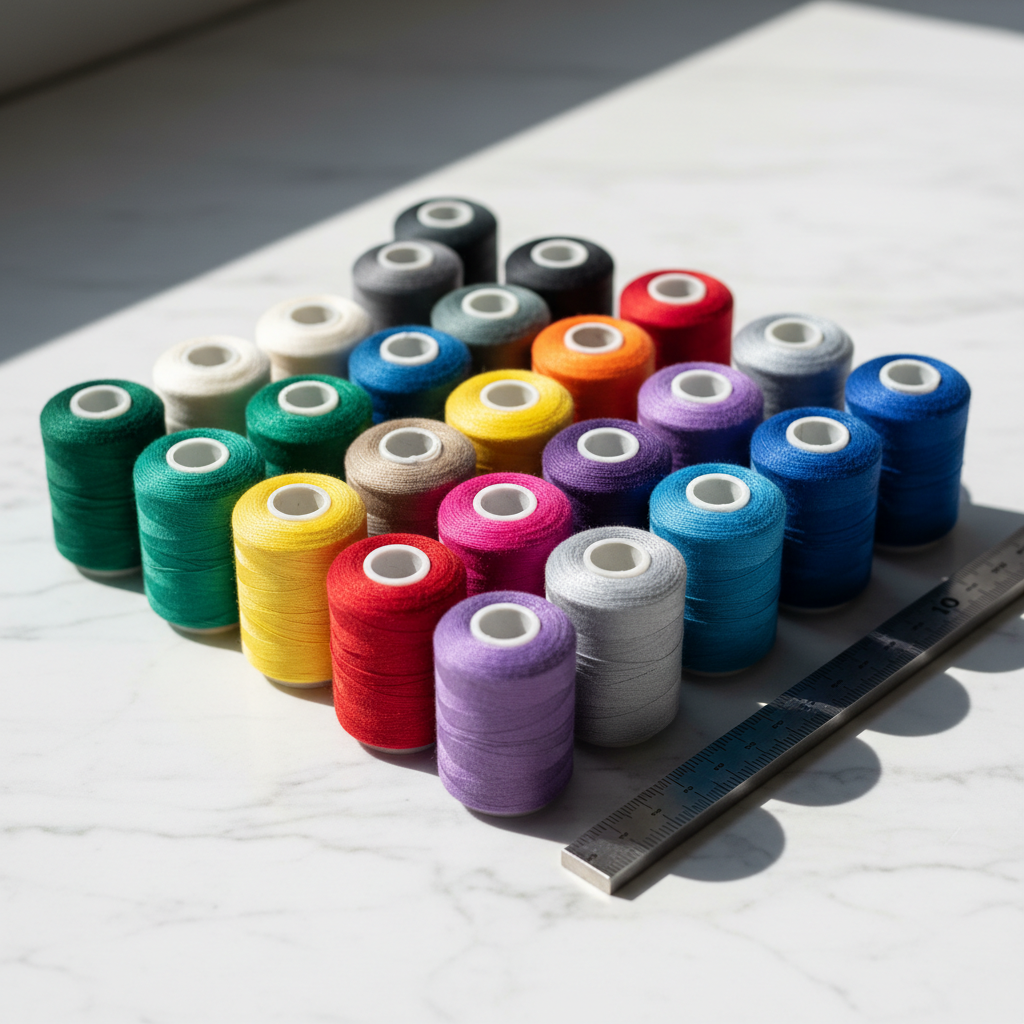
Bobbin-related problems can disrupt your sewing flow. If you're experiencing tangled bobbin threads, ensure that the bobbin is wound correctly and placed properly in its case. Clean the bobbin area regularly to remove lint and debris, which can interfere with smooth operation. Consider using a bobbin case that matches your machine for optimal performance.
Troubleshooting Stitch Quality
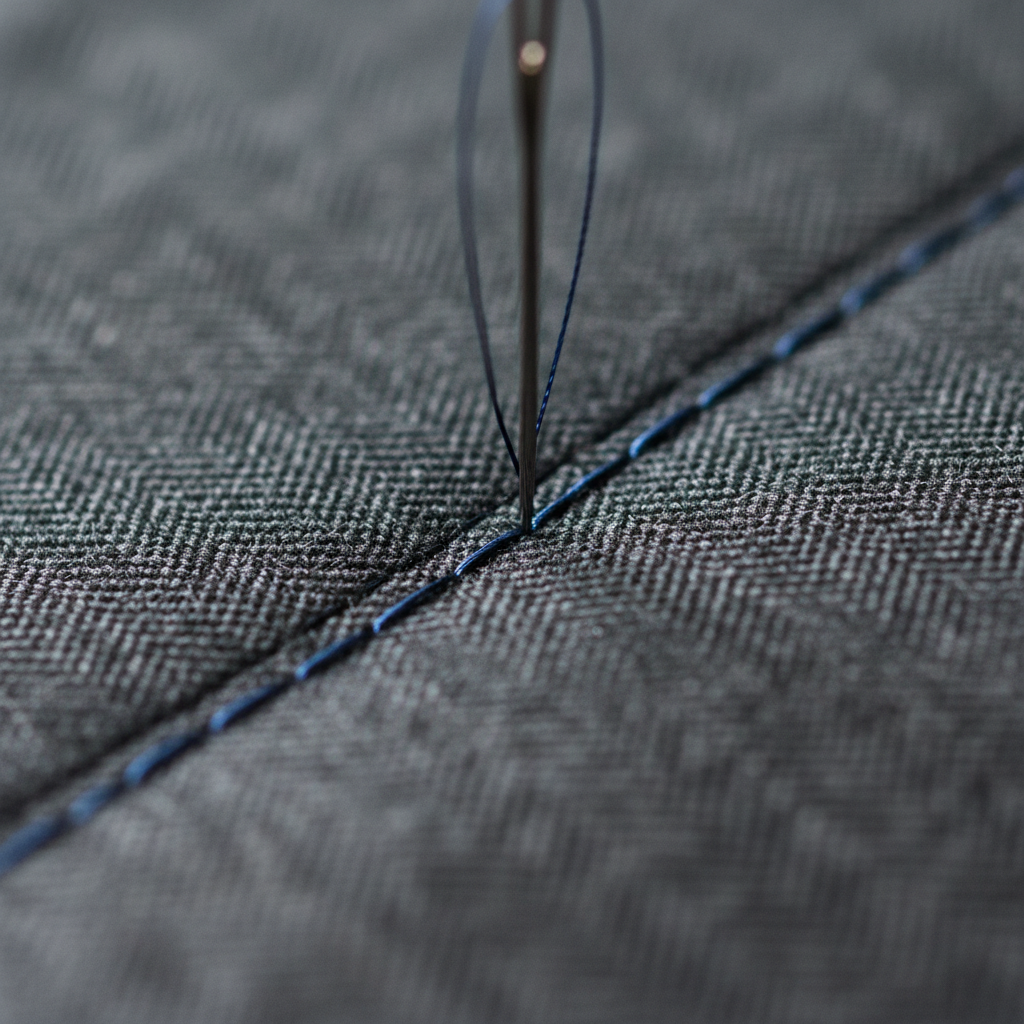
Poor stitch quality can manifest as uneven, loose, or skipped stitches. Begin by checking the machine's settings to ensure they match the fabric and thread type. Cleaning the machine, including the feed dogs and needle plate, can also improve stitch quality. Regular maintenance is key to preventing these issues.
Managing Jamming and Machine Noise
A sewing machine that jams or makes unusual noises can be alarming. Often, these issues are due to a build-up of lint or misalignment of parts. Turn off your machine and remove the fabric to inspect the area under the needle plate. Clean any debris and check for any misaligned parts. Regular oiling, as per the machine's manual, can also reduce noise and prevent jamming.
Maintaining Your Sewing Machine
Regular maintenance is essential for keeping your sewing machine in top condition. This includes cleaning, oiling, and routine checks for wear and tear. Following the manufacturer's guidelines for maintenance can extend the life of your machine and improve its performance. Consider scheduling professional servicing annually to address any underlying issues.
By addressing these common sewing machine problems proactively, you can enjoy a smoother and more satisfying sewing experience. Remember, regular maintenance and proper handling are the keys to keeping your machine running efficiently.