Debunking Myths: What Really Affects Your Sewing Machine’s Performance


Introduction
When it comes to sewing, ensuring your machine operates at its best is crucial for achieving professional results. However, there are numerous myths surrounding what actually affects a sewing machine’s performance. In this post, we'll debunk some common misconceptions and provide insights into the real factors that influence your sewing machine's functionality.
Myth 1: Expensive Machines Are Always Better
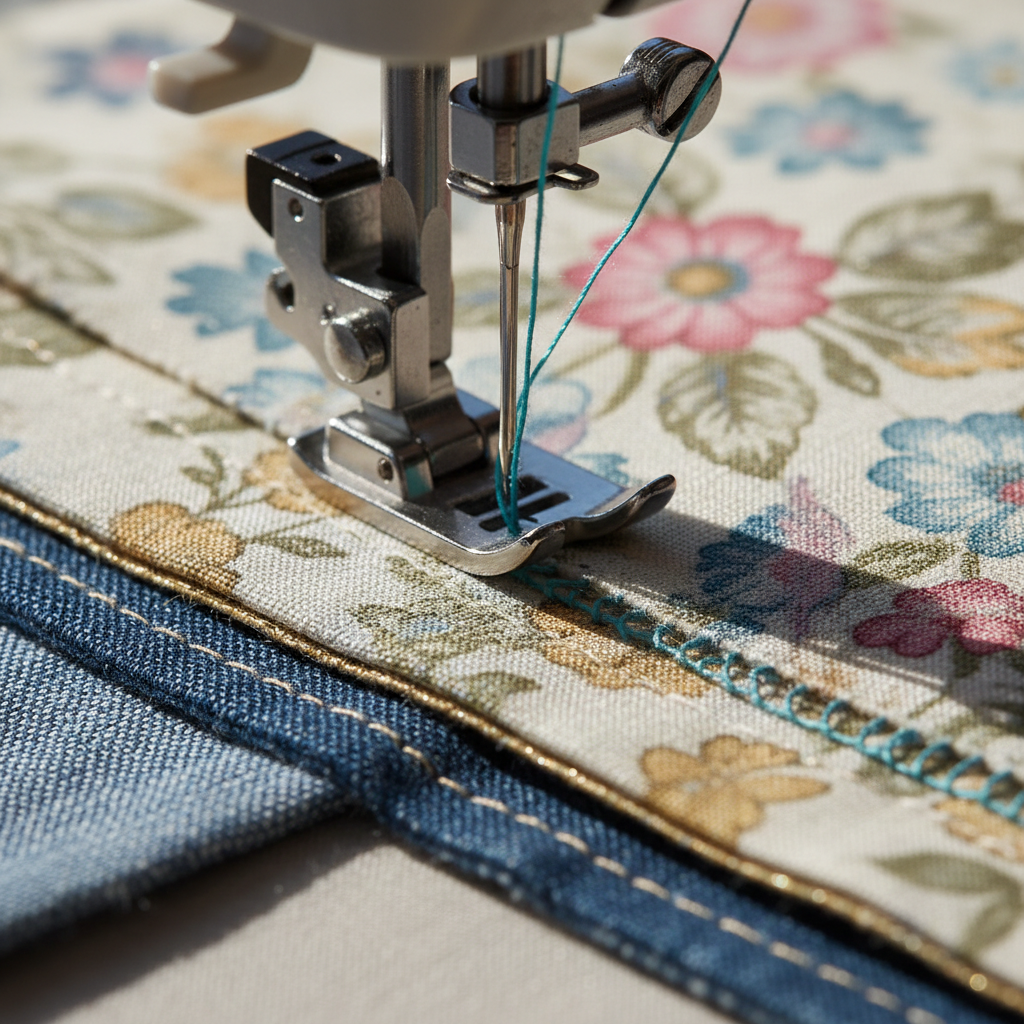
One of the most prevalent myths in the sewing community is that the more expensive the machine, the better it will perform. While high-end machines often come with advanced features, this doesn't necessarily mean they're the best option for every sewist. Understanding your specific needs is key. Many mid-range machines offer excellent performance and reliability for everyday sewing tasks.
Consider Your Requirements
Before investing in a sewing machine, consider what you'll primarily use it for. If you're a beginner or only sew occasionally, a basic model might suffice. On the other hand, if you regularly work on complex projects, investing in a machine with more features could be beneficial.
Myth 2: Frequent Oil Changes Aren't Necessary
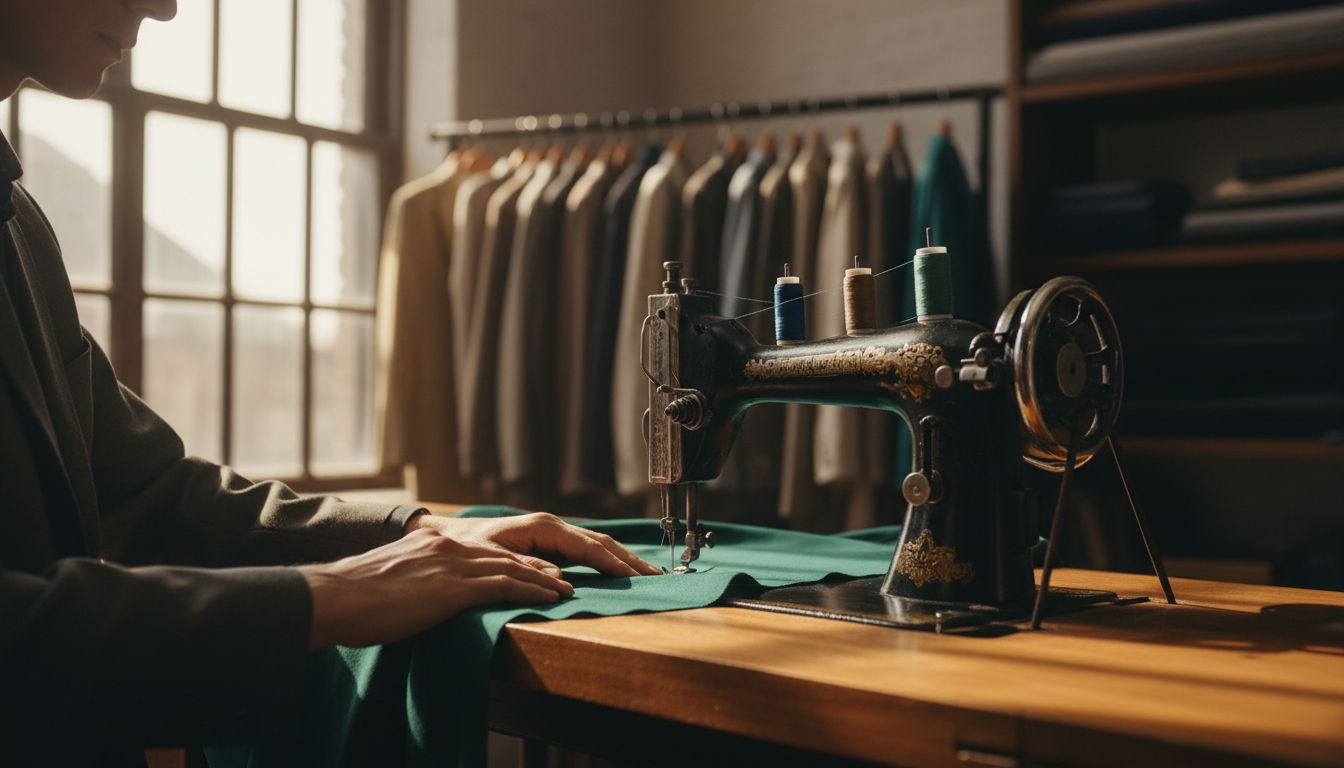
Another common belief is that sewing machines don’t need frequent oil changes. Regular maintenance, including oiling, is essential to keep your machine running smoothly. Neglecting this can lead to increased friction and wear on the machine's parts.
Follow Manufacturer Guidelines
Always consult your machine's manual for specific maintenance instructions. Some machines may require oiling every few months, while others might need it after every significant sewing project. Proper maintenance can significantly extend the life of your machine.
Myth 3: Thread Type Doesn’t Matter
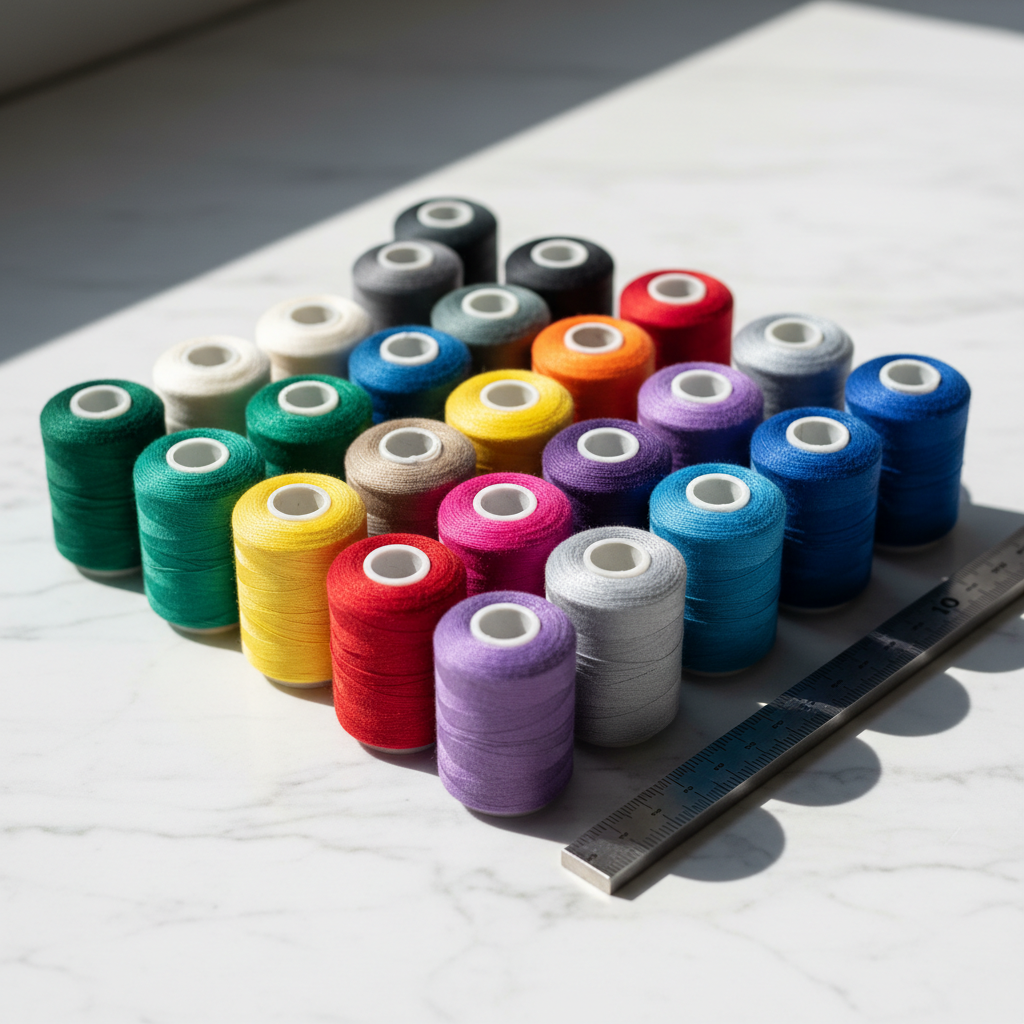
Many believe that any thread will do for sewing. This is far from the truth. The type and quality of thread you use can greatly impact your sewing machine's performance. Poor-quality thread can cause lint buildup and breakage, leading to frustration and potential machine damage.
Choose the Right Thread
Select thread that matches your fabric type and project requirements. Cotton thread is great for lightweight fabrics, while polyester is more versatile for various materials. Always opt for reputable brands to ensure consistency and quality.
Conclusion
Sewing machine performance is influenced by several factors, but understanding these myths can help you make informed decisions. By choosing the right machine for your needs, maintaining it properly, and using quality materials, you can ensure that your sewing projects go smoothly. Remember, knowledge is power when it comes to achieving the best results with your sewing machine.