DIY Sewing Machine Maintenance: Keep Your Machine Running Smoothly


Introduction to DIY Sewing Machine Maintenance
Keeping your sewing machine in top condition is crucial for ensuring the quality of your projects and extending the life of your machine. Regular maintenance doesn't have to be a daunting task, and with a few simple steps, you can keep your machine running smoothly. This guide will walk you through easy DIY maintenance tips that can save you time and money.
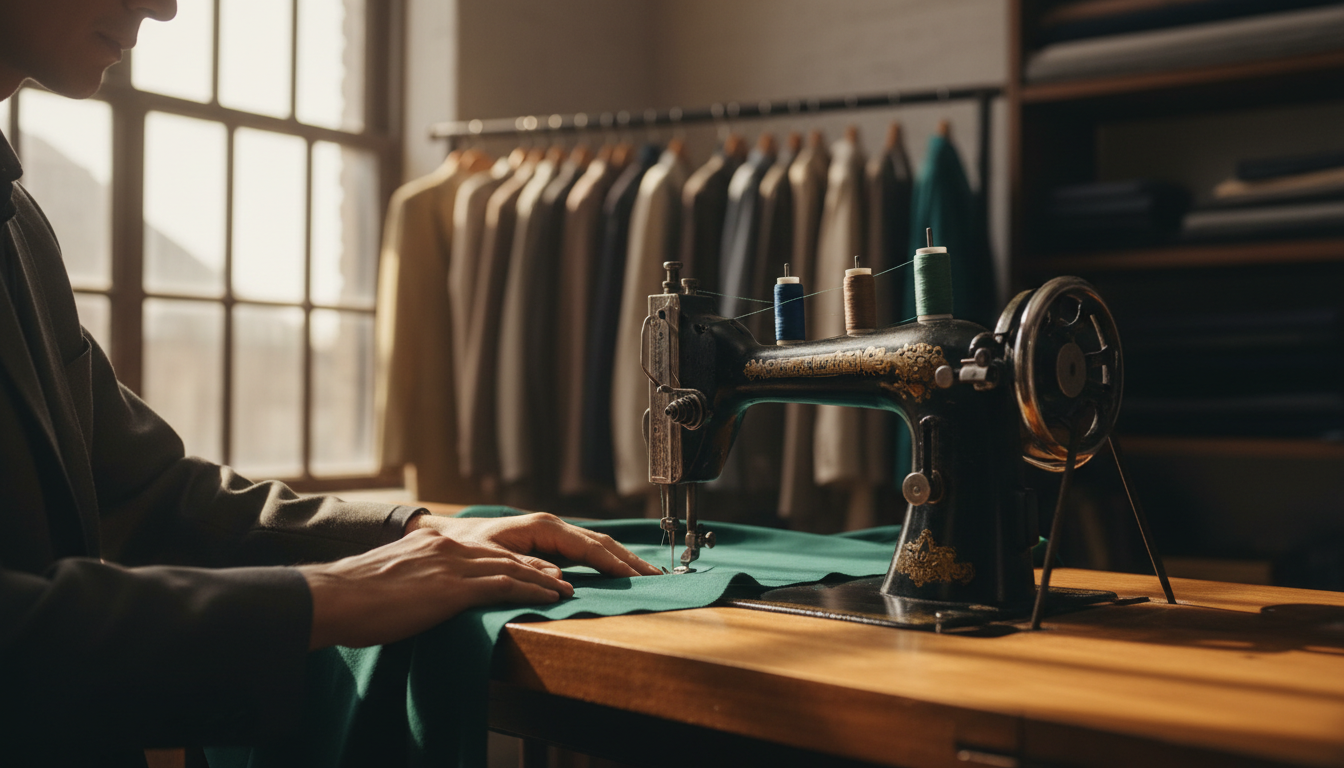
Gather Your Tools
Before starting, it’s essential to have the right tools on hand. Here’s a quick list of what you’ll need:
- Screwdriver set
- Small brush or vacuum attachment
- Soft cloth
- Sewing machine oil
Having these tools ready will make the process smoother and more efficient.
Regular Cleaning
Regular cleaning is vital for keeping your sewing machine in good working order. Start by unplugging your machine and removing any loose threads or lint from the needle area. Use a small brush or a vacuum attachment to reach tight spaces.
Pay special attention to the bobbin case and surrounding areas, as lint can build up quickly in these parts.
Oiling Your Machine
Oiling is a crucial step in sewing machine maintenance. It reduces friction and prevents wear on moving parts. Check your machine’s manual for specific instructions on oiling, as different models may have unique requirements.
Generally, a drop of oil on the moving parts will suffice. Be sure to use only sewing machine oil, as other types can damage your machine.
Checking the Needle
Regularly inspect your needle for signs of wear or damage. A bent or dull needle can cause skipped stitches or damage your fabric. Replace your needle after every project or every 8-10 hours of sewing to ensure optimal performance.
Tension and Timing
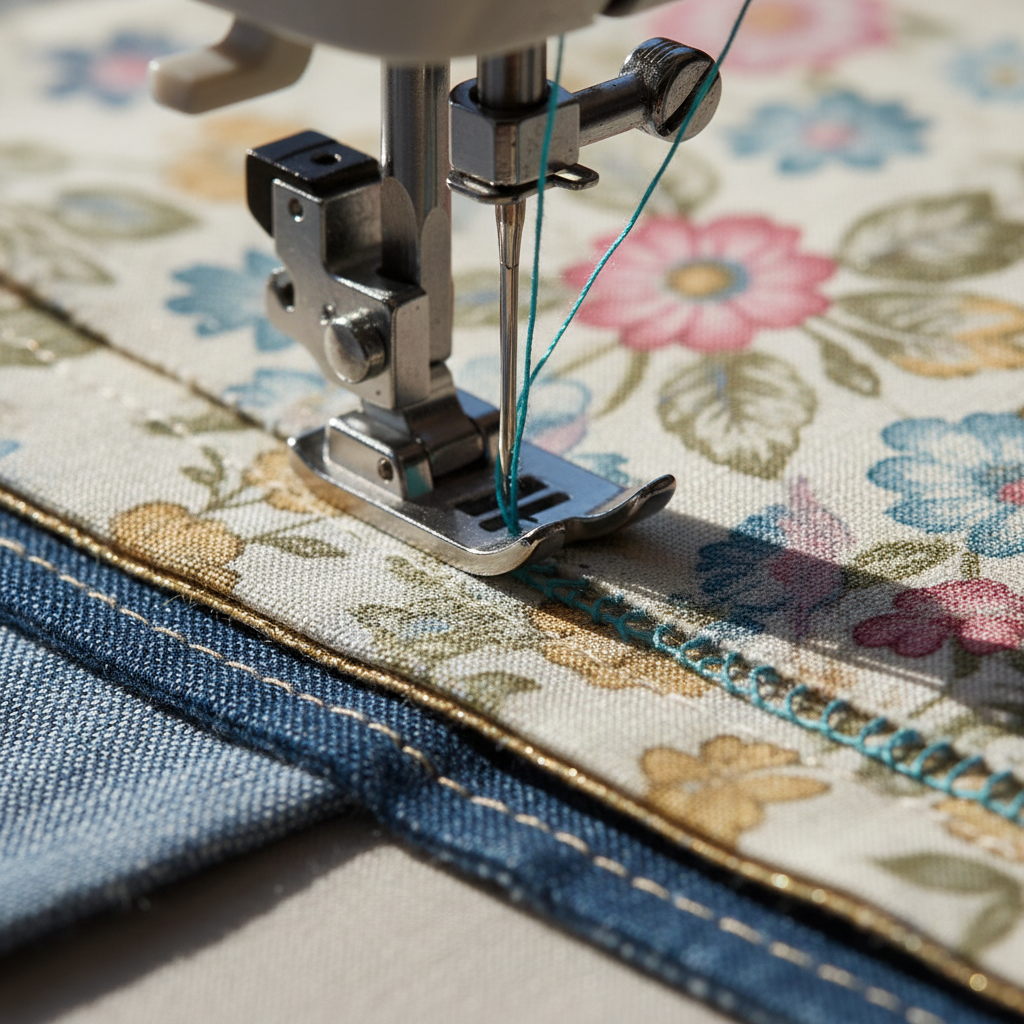
Proper tension and timing are crucial for smooth sewing. If you notice skipped stitches or uneven fabric feeding, your tension or timing might need adjustment. While some issues can be resolved with minor tweaks, persistent problems may require professional servicing.
Storing Your Machine
When not in use, store your sewing machine in a cool, dry place. Cover it with a dust cover to protect against dust and debris. Proper storage extends the life of your machine and keeps it ready for your next project.
By following these simple DIY maintenance steps, you can keep your sewing machine in excellent condition, ensuring it runs smoothly for years to come. Regular care not only enhances your sewing experience but also protects your investment.