DIY Sewing Machine Troubleshooting: Quick Fixes for Common Issues


For those who love crafting and creating, a sewing machine is an indispensable tool. However, even the most reliable machines can experience hiccups. Before rushing to a repair shop, try these DIY troubleshooting tips to resolve common sewing machine issues.
Thread Tension Problems
Thread tension issues can cause uneven stitches, loops, or fabric puckering. First, ensure that your machine is threaded correctly. Re-threading the machine often solves the problem. If the issue persists, adjust the tension dial incrementally and test on a scrap piece of fabric until the stitches look balanced.
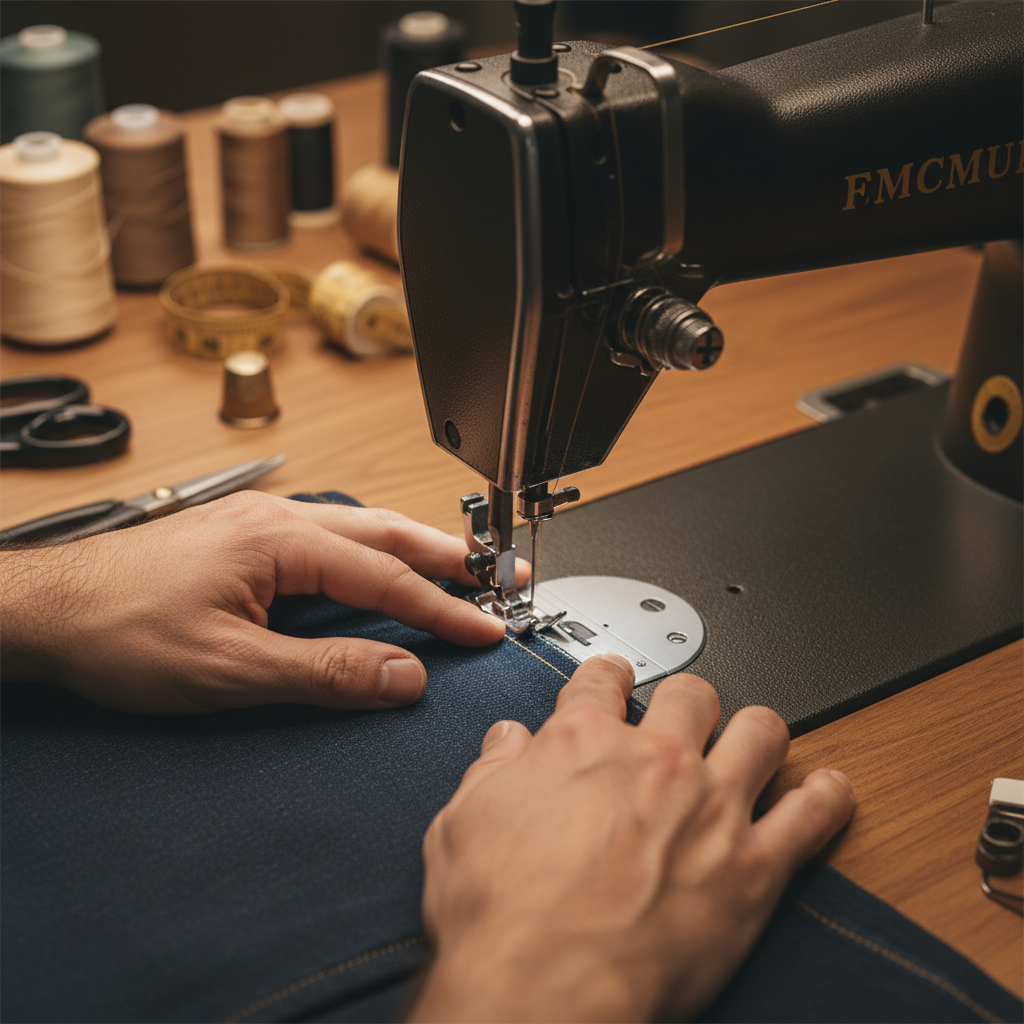
Upper Thread Tension
If the upper thread tension is too tight, you may notice small loops on the fabric's underside. Loosen the tension by turning the dial to a lower number. Conversely, if the upper thread is too loose, tighten it by turning the dial to a higher number.
Needle Issues
A bent or dull needle can lead to skipped stitches or fabric damage. Change the needle regularly, especially when switching fabric types. Always match the needle size to the fabric weight for optimal results. If you're unsure, consult your sewing machine's manual for guidance.
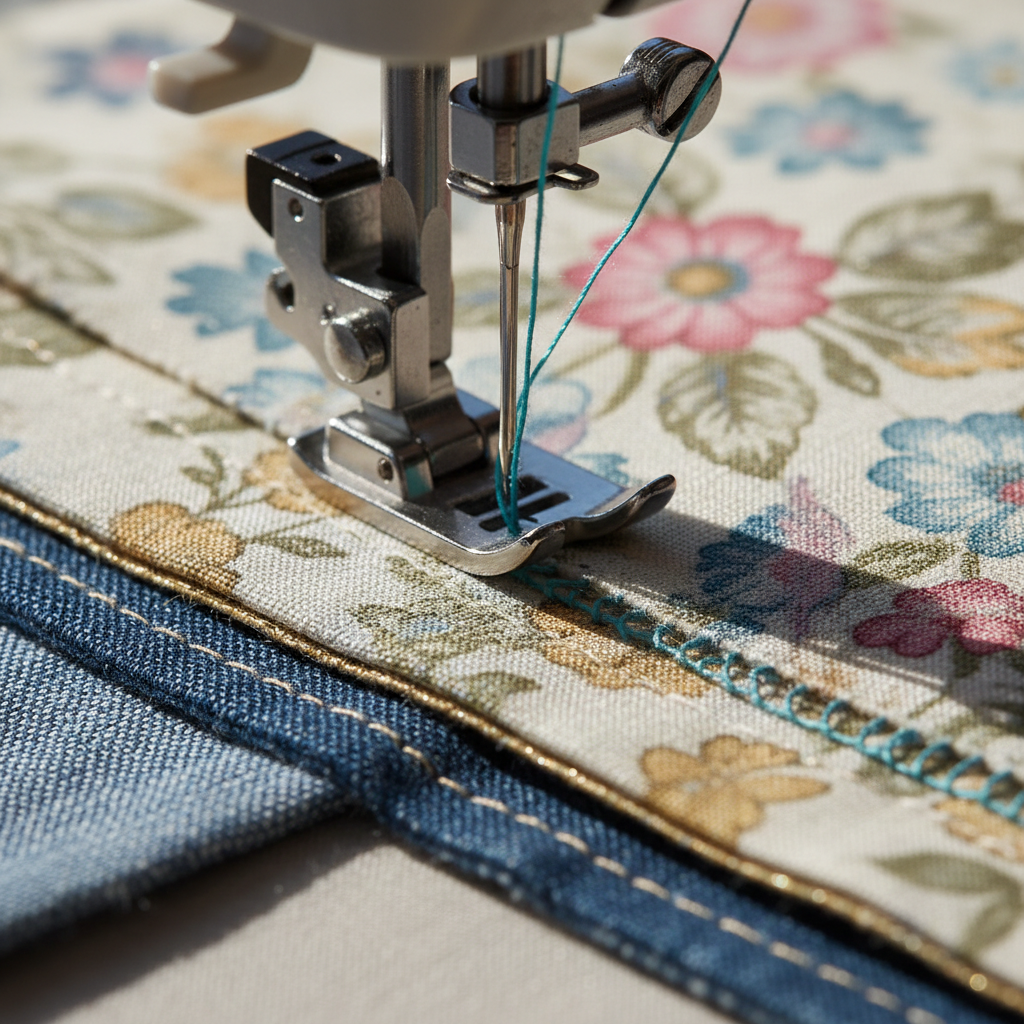
Needle Insertion
Proper needle insertion is crucial. Ensure the flat side of the needle faces the back of the machine. Push it up into the needle clamp as far as it will go before tightening the screw. A correctly inserted needle will minimize stitch irregularities.
Bobbin Woes
Bobbin problems can disrupt your sewing flow. Start by checking that the bobbin is wound evenly and inserted correctly into its case. The thread should unwind smoothly without resistance. An incorrectly placed bobbin can lead to tangles and skipped stitches.
Bobbin Case Cleaning
Dirt and lint can accumulate in the bobbin case, affecting performance. Regularly clean the case with a small brush to maintain smooth operation. Keeping your machine clean ensures longevity and consistent stitching quality.
Machine Not Feeding Fabric
If your machine isn't feeding fabric correctly, check the feed dogs beneath the presser foot. Ensure they're engaged and not lowered for free-motion quilting. Adjust the presser foot pressure if necessary to suit the fabric thickness.
Presser Foot Adjustment
Different fabrics require different presser foot pressures. Light fabrics need less pressure, while heavier ones need more. Experiment with adjustments to find the perfect balance, ensuring smooth fabric feeding.
By mastering these troubleshooting techniques, you'll save time and money, keeping your sewing projects on track. Regular maintenance and a bit of patience can resolve many common sewing machine issues, allowing you to focus on your creative endeavors.