Eco-Friendly Sewing Practices: A Dublin Perspective


Embracing Eco-Friendly Sewing in Dublin
In recent years, Dublin has emerged as a hub for sustainable practices, and the world of sewing is no exception. With a growing community of eco-conscious crafters, the city is setting a remarkable example in the realm of eco-friendly sewing practices. Whether you're a seasoned seamstress or just starting out, there are plenty of ways to make your sewing more sustainable.
Choosing Sustainable Fabrics
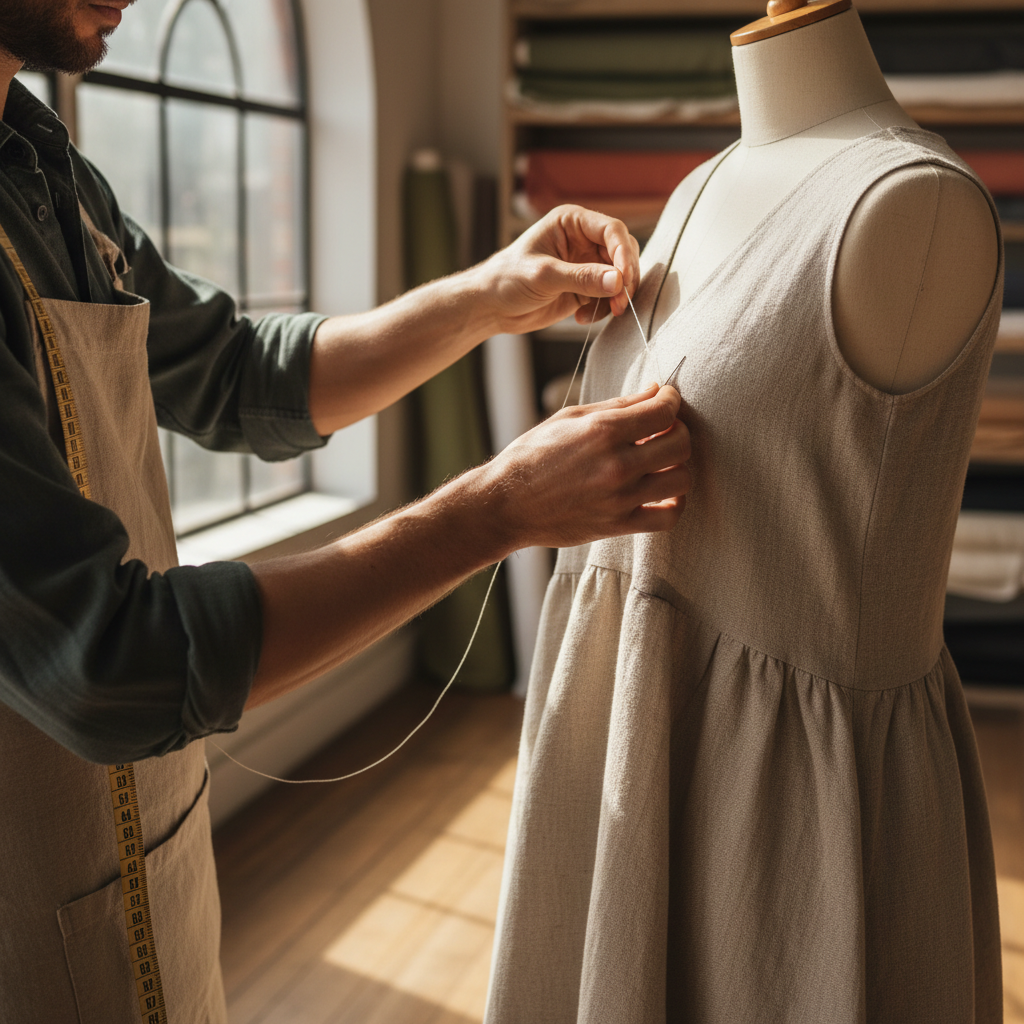
One of the most impactful steps in eco-friendly sewing is selecting sustainable fabrics. Dublin's fabric stores are increasingly offering a variety of eco-friendly options. Look for organic cotton, bamboo, or hemp, which are grown without harmful chemicals. Recycled materials, such as polyester made from post-consumer waste, are also excellent choices. By opting for these materials, you're supporting a more sustainable textile industry.
Moreover, vintage and second-hand fabrics are gaining popularity. Not only do they add a unique touch to your projects, but they also help reduce waste by giving existing materials a new life. Consider visiting Dublin's many thrift shops and markets to discover hidden fabric treasures.
Reducing Waste in Your Sewing Projects
Minimizing waste is crucial in eco-friendly sewing. Start by using patterns and cutting techniques that maximize fabric efficiency. Many online resources offer tutorials on how to lay out patterns to use every inch of fabric effectively. Additionally, save your fabric scraps for smaller projects or patchwork. These practices not only reduce waste but also spark creativity.
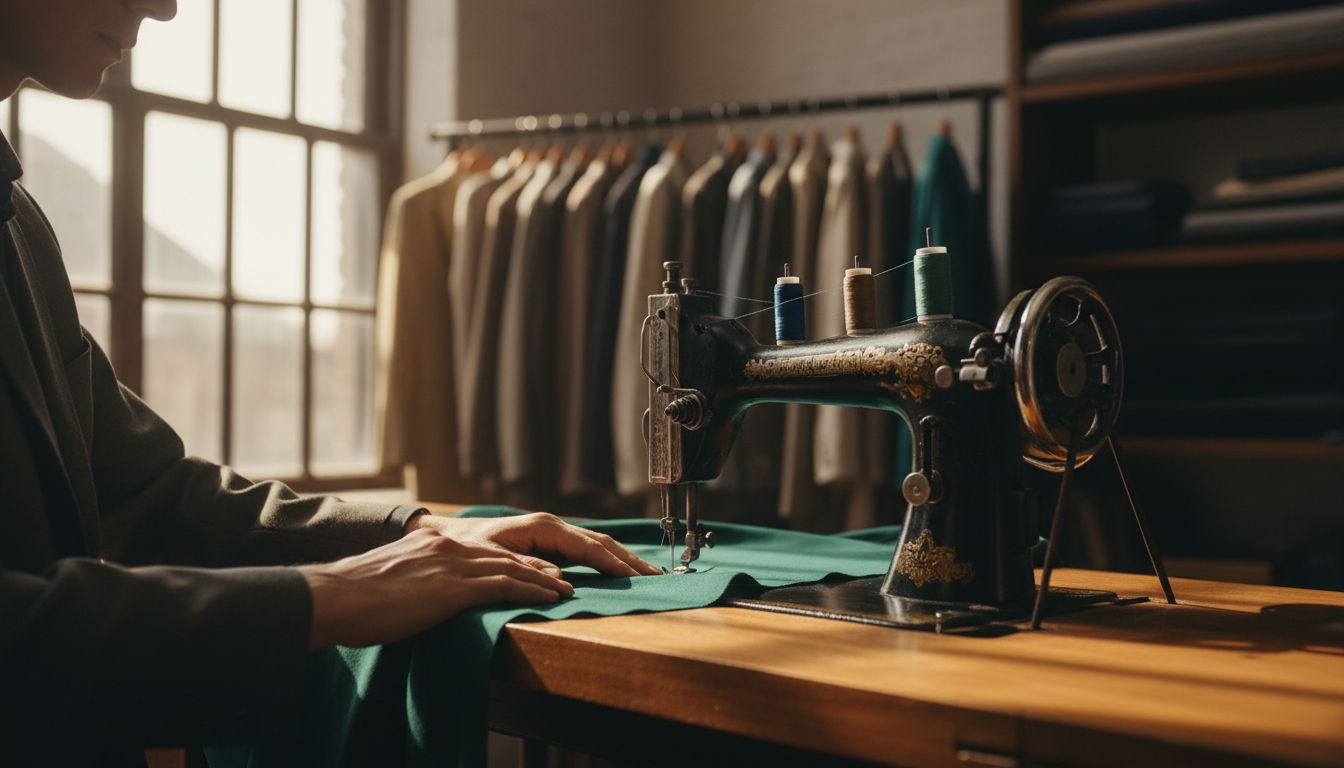
Another approach is to engage in zero-waste sewing. This method involves designing garments that leave no leftover fabric. While it may require some practice, the satisfaction of creating a zero-waste piece is unparalleled.
Eco-Friendly Sewing Tools and Accessories
Beyond fabrics, consider the tools and accessories you use. Opt for bamboo or metal sewing tools instead of plastic ones. These materials are more durable and have a smaller environmental footprint. Reusable bobbins and thread spools are also excellent choices.
For those in Dublin, local craft stores often stock eco-friendly sewing supplies. Supporting these businesses not only helps you make sustainable choices but also encourages more stores to carry such products.
Community and Collaboration
Dublin's sewing community is vibrant and supportive, making it easy to share eco-friendly practices. Workshops and sewing groups often focus on sustainable techniques, providing a platform for learning and collaboration. Participating in these activities can be both educational and inspiring.
Moreover, consider swapping or sharing materials with fellow crafters. This not only reduces consumption but also strengthens community bonds. By working together, Dublin's sewing enthusiasts are paving the way for a more sustainable future.
Conclusion: A Greener Path Forward
Embracing eco-friendly sewing practices is a rewarding journey that benefits both the environment and the crafting community. As Dublin continues to lead by example, there's never been a better time to adopt sustainable sewing methods. By making mindful choices, each stitch can contribute to a more sustainable world.