Eco-Friendly Sewing Practices in Dublin: Tips for Sustainable Crafting


As the world becomes increasingly aware of environmental issues, many crafters in Dublin are turning to eco-friendly sewing practices. Whether you’re a seasoned sewist or a beginner, adopting sustainable methods can significantly reduce your carbon footprint while enhancing your creative projects.
Choosing Sustainable Fabrics
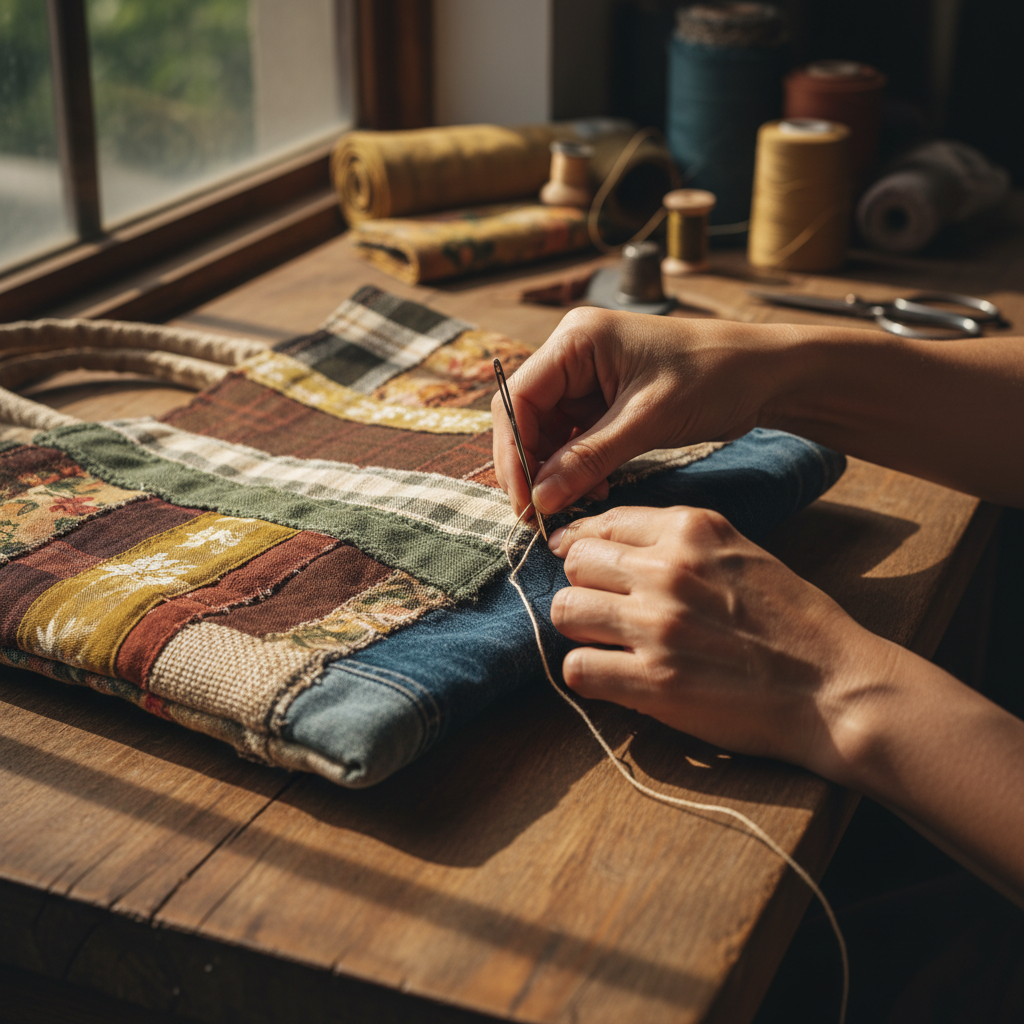
One of the first steps in eco-friendly sewing is choosing sustainable fabrics. Opt for materials like organic cotton, hemp, bamboo, and linen. These fabrics are not only biodegradable but also require less water and fewer chemicals to produce.
Recycled fabrics are another excellent option. Textile recycling helps reduce waste and gives materials a new life. Explore local shops in Dublin or online marketplaces for fabric remnants or vintage pieces that can be repurposed into your projects.
Utilizing Eco-Friendly Notions
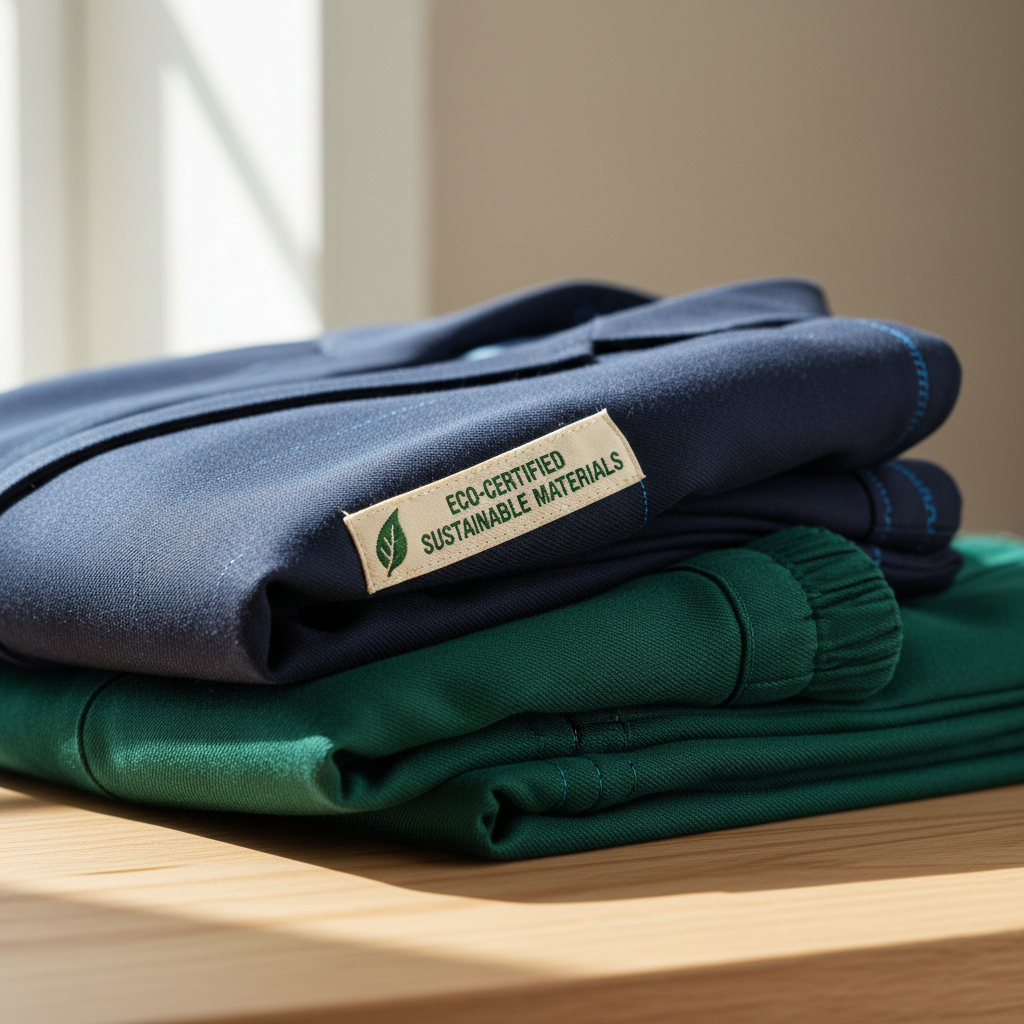
When it comes to notions, consider switching to eco-friendly alternatives. Use buttons made from wood, corozo, or recycled materials instead of plastic. Choose threads made from organic cotton or recycled polyester for a more sustainable approach.
For interfacing, look for products that are biodegradable or made from natural fibers. Avoid synthetic options, which can contribute to microplastic pollution.
Reducing Fabric Waste
Minimizing fabric waste is crucial in sustainable sewing. Start by planning your projects carefully to ensure you buy only what you need. Sketch designs and calculate dimensions to avoid over-purchasing.
Utilize fabric scraps creatively by incorporating them into patchwork projects, quilting, or small accessories. Donating scraps to local schools or craft groups can also be a great way to ensure nothing goes to waste.
Repurposing and Upcycling
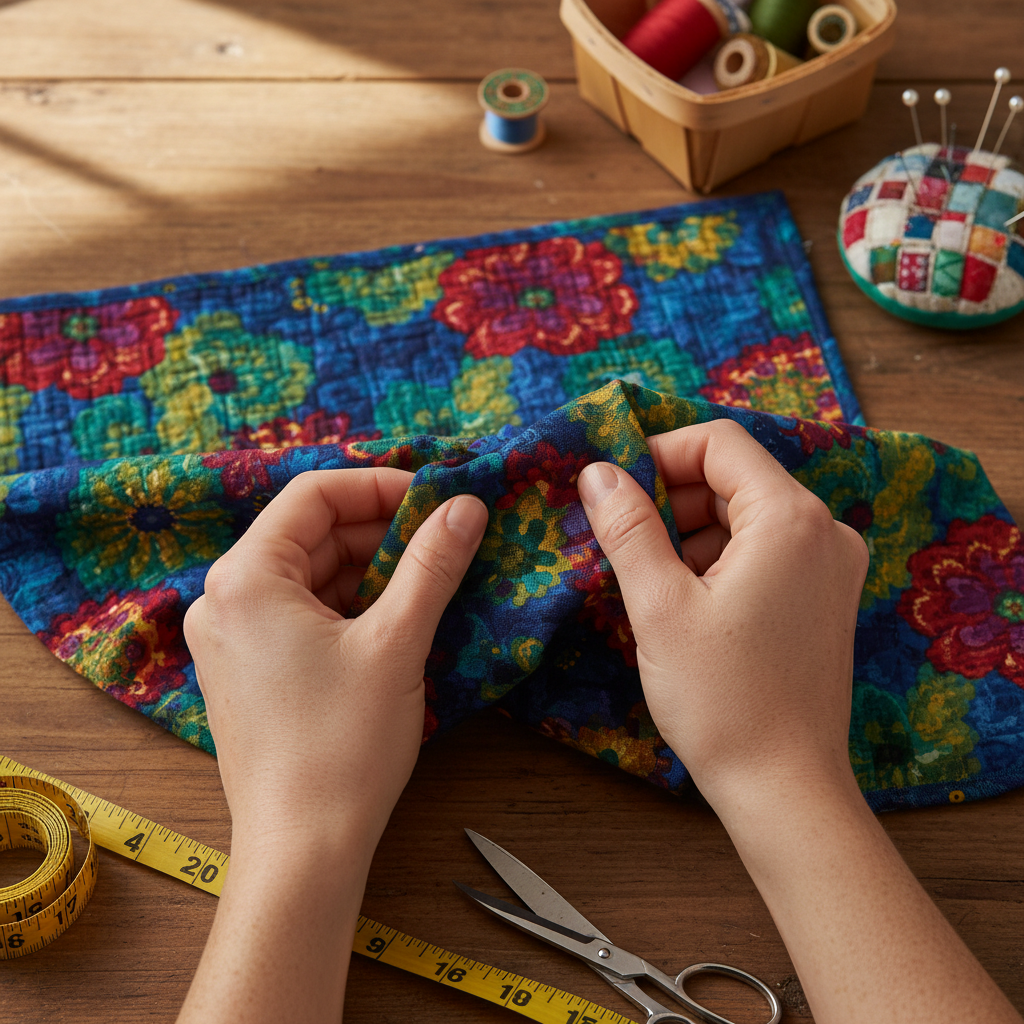
Repurposing old clothing or household textiles is a fantastic way to practice sustainable sewing. Transform outdated or damaged garments into new pieces or accessories. This not only saves resources but also adds a unique touch to your creations.
Visit thrift stores and charity shops in Dublin to find garments that can be upcycled into something new. This approach not only supports sustainability but also helps local communities.
Eco-Friendly Sewing Habits
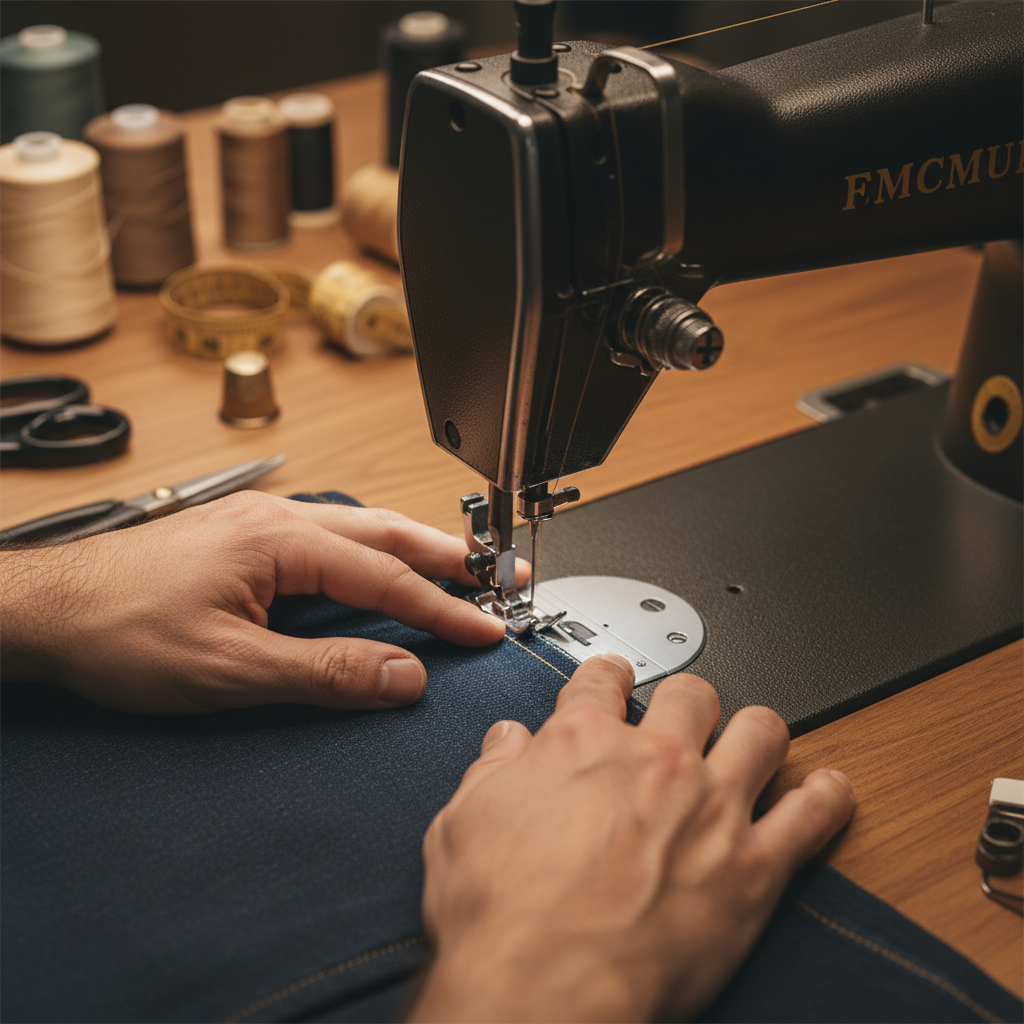
Developing eco-friendly sewing habits can further reduce your impact on the environment. Use energy-efficient sewing machines and, when possible, sew by hand. This can be a more sustainable and meditative practice.
Consider using natural or homemade detergents for washing fabrics, and air dry your projects to save energy. Small changes in your routine can make a significant difference over time.
By adopting these eco-friendly sewing practices, you can enjoy your crafting while contributing to a healthier planet. Dublin’s vibrant crafting community offers plenty of resources and inspiration to support your sustainable journey.