How to Perform Basic Sewing Machine Maintenance at Home


Understanding Your Sewing Machine
Before diving into maintenance, it’s essential to familiarize yourself with your sewing machine’s parts. Consult your manual to identify key components like the bobbin, needle plate, and tension disks. This knowledge will help you perform maintenance more effectively.
Gathering Necessary Tools
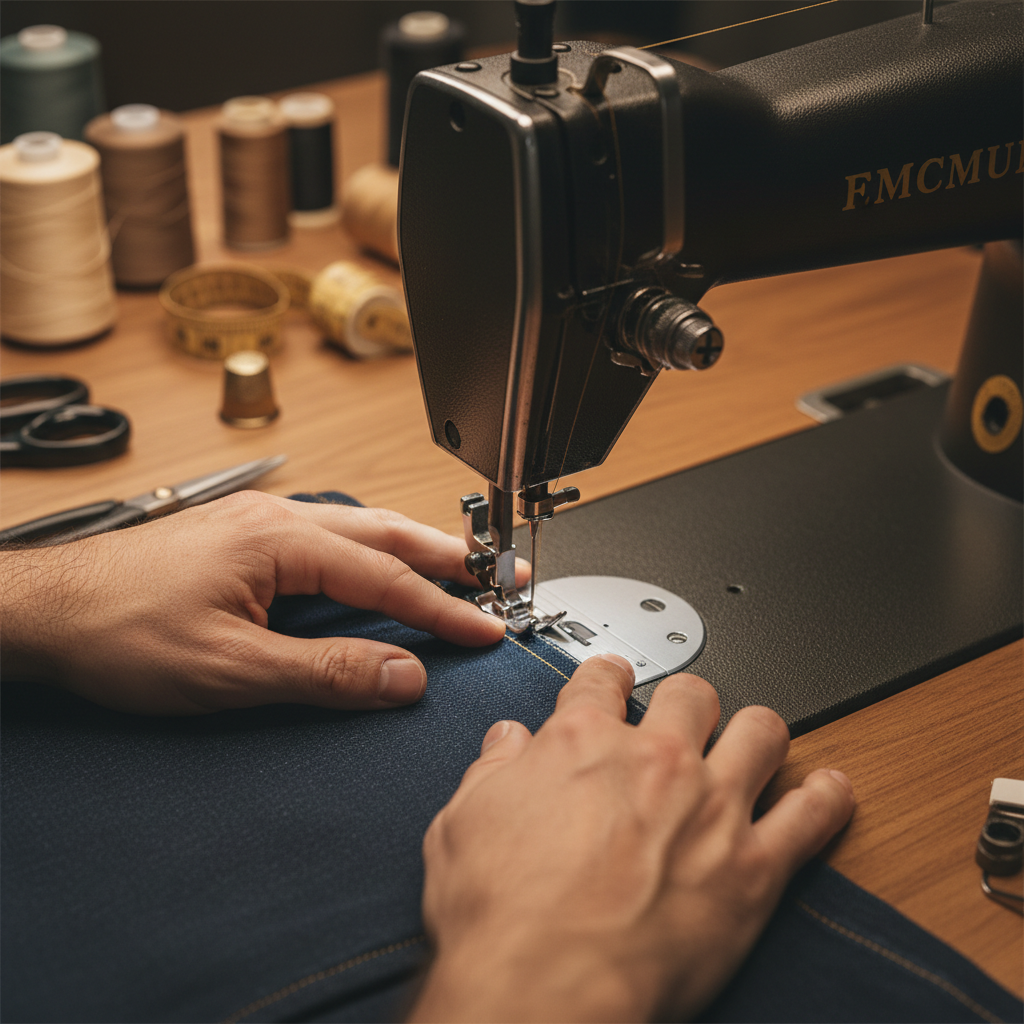
To perform basic maintenance, you'll need some essential tools: a small screwdriver, a lint brush, and sewing machine oil. These tools will help you clean and lubricate your machine, keeping it in top condition.
Cleaning Your Sewing Machine
Regular cleaning is crucial to prevent dust and lint buildup, which can affect your machine’s performance. Start by unplugging your machine to ensure safety. Remove the needle, presser foot, and needle plate to expose areas prone to lint accumulation.
Removing Lint and Dust
Use a lint brush to gently remove dust and lint from the bobbin area and feed dogs. Avoid using compressed air, as it can push dust deeper into the machine. For stubborn areas, a small vacuum attachment can be effective.
Lubricating Your Sewing Machine
Proper lubrication is vital for smooth operation. Check your manual for lubrication points, as it varies between models. Apply a few drops of sewing machine oil to the designated areas, but be cautious not to over-oil, which can lead to residue buildup.
Checking the Tension
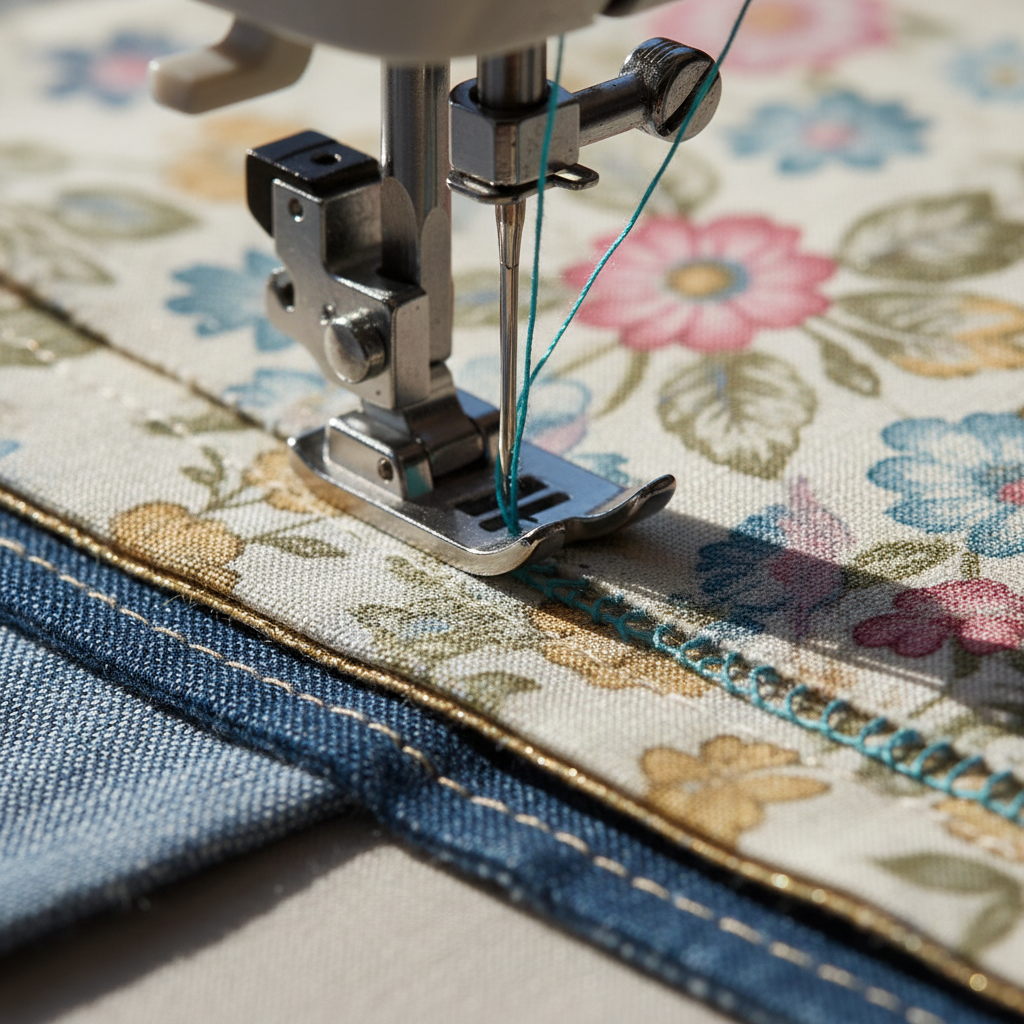
After cleaning and lubricating, check the thread tension. Incorrect tension can cause thread breakage or uneven stitches. Test the tension using a scrap piece of fabric, adjusting as necessary until stitches are even and smooth.
Regular Needle Replacement
Needles can become dull or bent with use, leading to skipped stitches or fabric damage. It’s good practice to change the needle after every project or 8-10 hours of sewing. Use the correct needle type and size for your fabric.
Final Checks and Storage
Conduct a final test run on a piece of scrap fabric to ensure everything is functioning correctly. Once satisfied, cover your sewing machine to protect it from dust. Store it in a dry, safe place, avoiding extreme temperatures.
By following these basic maintenance steps, you can extend the life of your sewing machine and ensure it runs smoothly. Regular care not only improves performance but also enhances your sewing experience.