The Importance of Regular Industrial Sewing Machine Tune-Ups


Understanding the Role of Industrial Sewing Machines
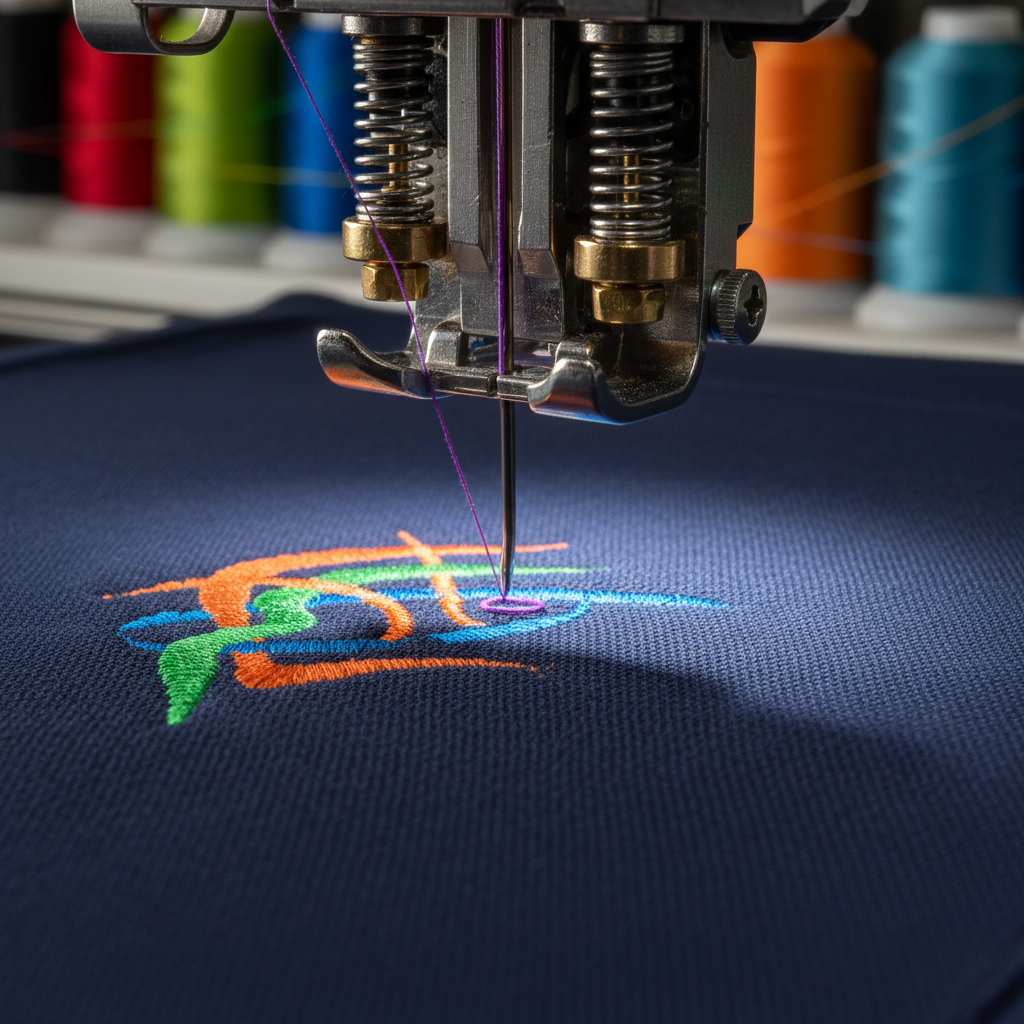
Industrial sewing machines are the backbone of the textile and garment manufacturing industry. Unlike their domestic counterparts, these machines are designed for high-volume production and can operate continuously for extended periods. Ensuring that they run efficiently is crucial for maintaining production schedules and quality standards.
Regular maintenance and tune-ups are essential to keep these machines in top condition. Without proper care, even the most robust machines can experience performance issues, leading to costly downtime and repairs.
Benefits of Regular Tune-Ups
A regular tune-up can significantly enhance the lifespan and performance of an industrial sewing machine. Here are some key benefits:
- Increased Efficiency: Well-maintained machines operate faster and with greater precision.
- Reduced Downtime: Routine checks help identify potential issues before they become major problems.
- Cost Savings: Preventive maintenance is generally less expensive than emergency repairs.
By scheduling regular tune-ups, manufacturers can ensure that their production lines remain efficient and reliable.
Key Areas to Focus on During a Tune-Up
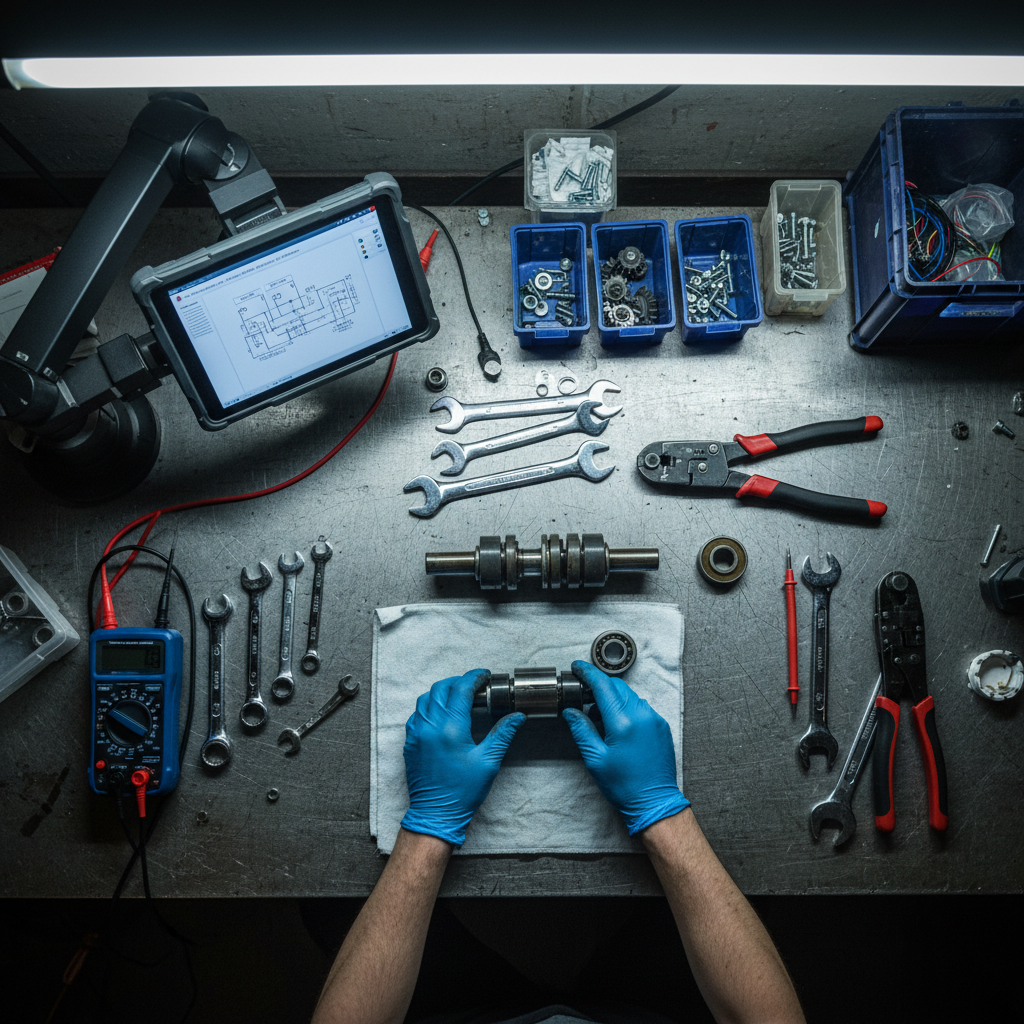
During a tune-up, several critical components of the machine should be inspected and serviced. These include:
- Needles and Threading: Ensuring that needles are sharp and threading is aligned can prevent fabric damage.
- Lubrication: Proper lubrication reduces friction and wear on moving parts.
- Tension Adjustment: Correct tension settings are vital for stitch quality and fabric handling.
A comprehensive tune-up will address these areas, ensuring that the machine operates smoothly.
Signs Your Machine Needs a Tune-Up
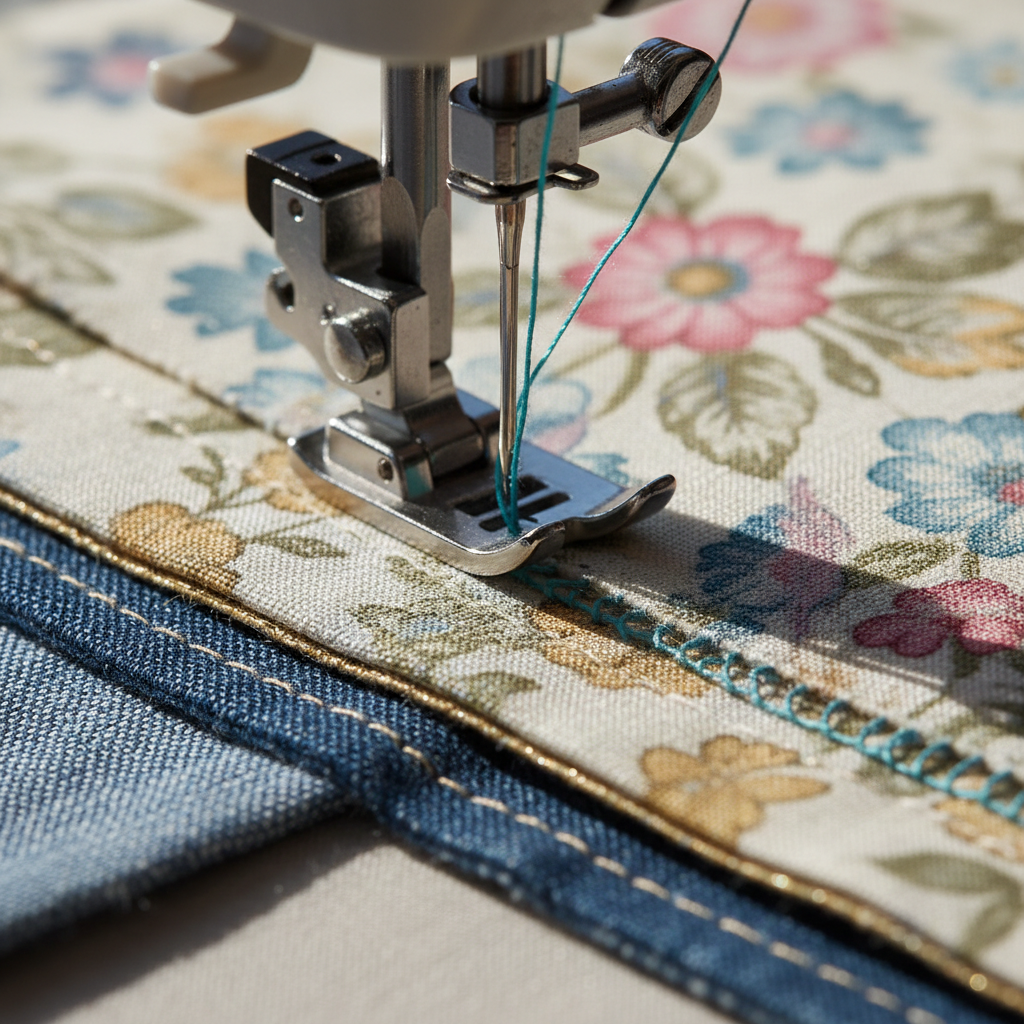
Recognizing when a machine requires attention can prevent more severe issues. Some common signs include:
- Unusual noises during operation
- Inconsistent stitching or thread breakage
- Frequent needle breakage
If you notice any of these signs, it's time to schedule a tune-up to avoid further complications.
Choosing the Right Maintenance Schedule
The frequency of tune-ups can vary depending on the machine's usage. For machines in constant operation, a monthly check-up might be necessary. For less frequently used machines, a quarterly schedule could suffice.
Consulting with a professional technician can help determine the most appropriate maintenance schedule for your specific needs.
Conclusion: Investing in Longevity
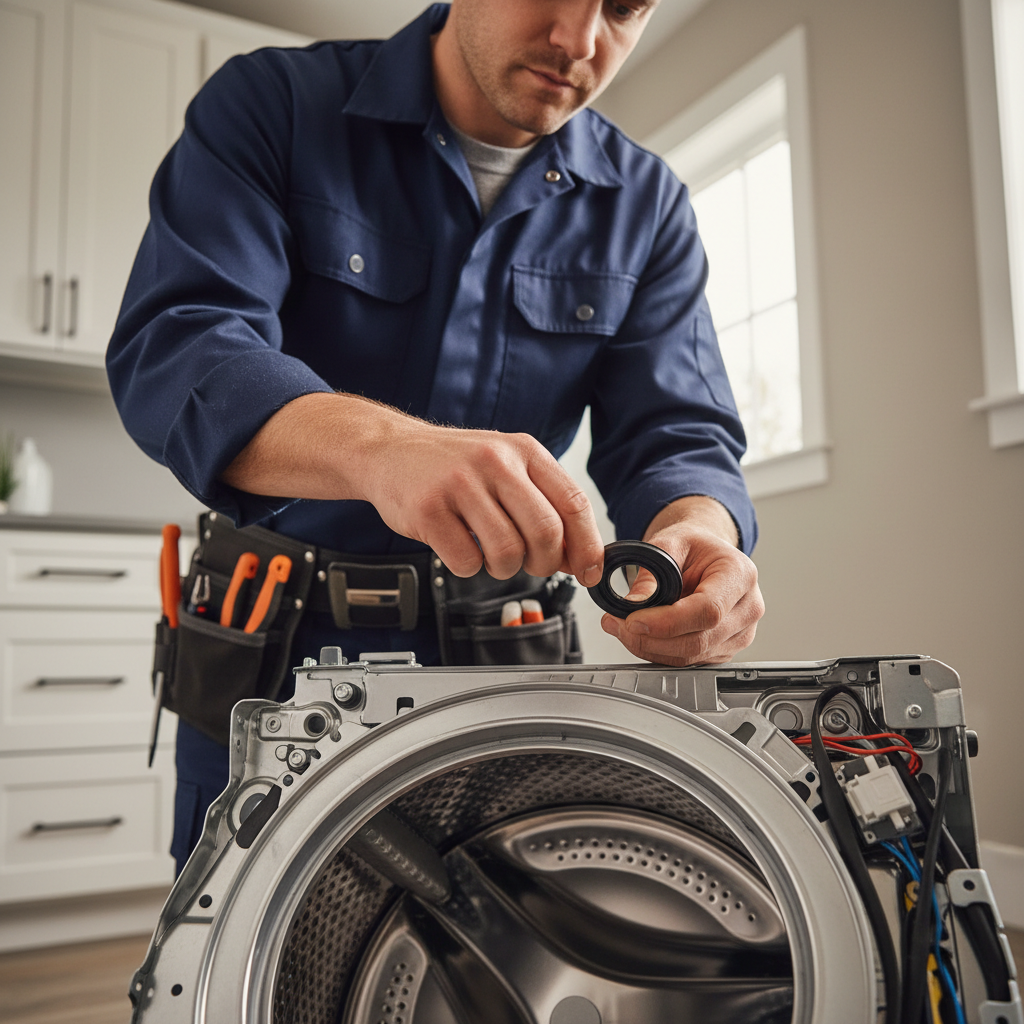
Regular tune-ups are an investment in the longevity and performance of industrial sewing machines. By prioritizing maintenance, manufacturers can ensure consistent production quality and efficiency.
Ultimately, the cost savings and increased productivity from well-maintained machines far outweigh the expenses associated with regular tune-ups. Embrace a proactive approach to maintenance, and your machines will continue to serve your business effectively for years to come.